
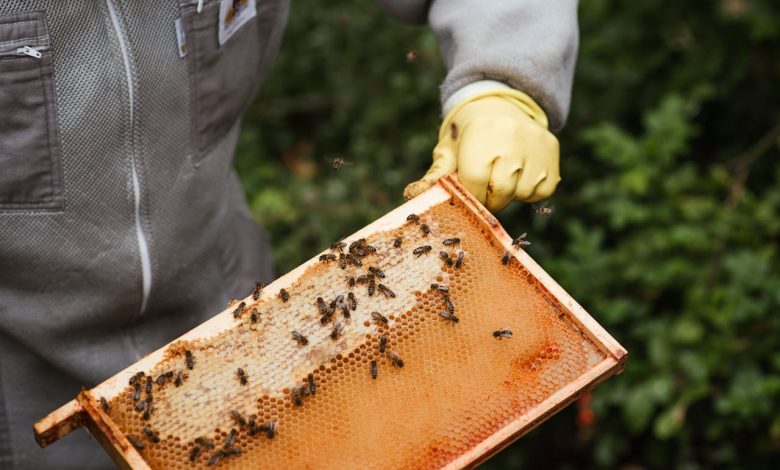
Starting a beekeeping business allows individuals to turn a hands-on hobby into a profitable agricultural venture. Demand for honey, beeswax, and pollination services continues to grow as consumers seek natural and locally produced goods. While beekeeping can begin as a small operation, scaling it into a business requires planning and structure. Understanding production, costs, and sales channels is essential for success. With the right foundation, a beekeeping business can provide both steady income and long-term sustainability.
Understanding the Beekeeping Market
Before launching a business, it is important to understand market demand. Honey is the most common product, but beeswax, pollen, propolis, and pollination services also generate revenue. Local farmers markets, health stores, and direct-to-consumer sales are popular outlets. Pricing varies based on quality, source, and production methods. Understanding where your products fit in the market helps guide business decisions.
Determining Your Business Model
Beekeeping businesses can operate in many ways. Some focus solely on honey production, while others expand into value-added products like candles, skincare, or infused honey. Larger operations may provide pollination services to farmers and orchards. Choosing a focused business model early prevents overextension. Clear goals make operational planning more efficient.
Startup Costs and Financial Planning
Every beekeeping business requires startup investment. Costs include hives, bees, land access, packaging, and transportation. Ongoing expenses such as feed, equipment maintenance, and marketing must also be considered. Purchasing durable bee supplies helps reduce long-term replacement costs. Creating a realistic budget protects profitability and supports growth.
Legal Requirements and Regulations
Operating legally is critical when selling bee-related products. Regulations may include business licensing, food safety requirements, zoning rules, and labeling standards. Some regions also regulate hive registration and colony movement. Understanding local and state laws prevents costly compliance issues. Consulting regulatory resources early saves time and stress.
Selecting a Location and Scaling Hives
Location choice affects productivity and scalability. Access to forage, water, and stable land arrangements is essential. Many commercial beekeepers partner with landowners or farmers rather than purchasing property. Starting with a manageable number of hives allows room to learn. Expansion should be gradual and data driven.
Managing Hive Health and Productivity
Healthy bees are the foundation of a profitable business. Regular inspections help monitor colony strength, queen performance, and disease prevention. Poor hive health directly impacts output and income. Record keeping is essential for tracking productivity and problem patterns. Preventive care reduces losses and supports consistent harvests.
Harvesting, Packaging, and Quality Control
Product quality determines customer trust and repeat sales. Honey must be harvested at the correct time and handled carefully to preserve flavor and purity. Clean equipment and standardized processes are critical. Packaging should protect the product while complying with safety regulations. Consistency builds brand credibility.
Marketing and Selling Your Products
Effective marketing helps separate hobbyists from professional operations. Branding, storytelling, and transparency resonate with consumers seeking local products. Online sales, social media, and in-person events expand reach. Building relationships with retailers strengthens distribution channels. Marketing should emphasize quality and sustainability.
Planning for Growth and Diversification
Long-term success requires planning beyond the first season. Diversifying products and services reduces reliance on a single income stream. Reinvesting profits into additional hives or equipment supports gradual expansion. Monitoring financial performance guides decision making. Strategic growth ensures business longevity.
Conclusion
Starting a beekeeping business blends agricultural knowledge with entrepreneurial discipline. Success depends on careful planning, legal awareness, and consistent hive management. Beginning at a manageable scale allows room to learn and adapt. With quality products and smart operations, beekeeping can become a reliable source of income. A thoughtful approach turns beekeeping into a sustainable and rewarding business.


