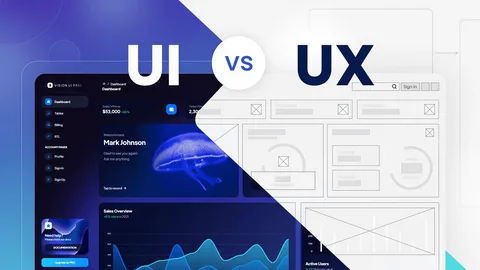
User interface design plays a major role in how people experience software and digital tools. Many businesses want powerful interfaces without the cost and time of custom development. No code platforms make this possible by removing technical barriers. These tools allow teams to focus on usability instead of programming complexities. Modern interfaces must be functional, intuitive, and scalable. A strategic approach ensures the UI delivers real value. No code UI development is changing how organizations build digital solutions.
Understanding What No Code UI Development Means
No code UI development allows users to build interfaces without writing code. Visual editors replace manual programming with drag and drop components. Logic and workflows are configured through settings instead of scripts. This approach enables faster design and iteration cycles. Business users can participate directly in interface creation. Technical dependency is reduced across teams. Accessibility to UI design expands significantly.
Why Great UI Design Still Matters Without Code
No code does not remove the need for thoughtful design. Poor layout and navigation will frustrate users regardless of the tool used. Interfaces must remain intuitive and purposeful. Visual clarity improves task completion and satisfaction. Well designed UI supports adoption and long term use. Usability principles apply even when coding is eliminated. Strong design thinking remains essential.
Choosing The Right No Code Platform
Platform selection heavily influences UI outcomes. Different tools serve different industries and use cases. Scalability should be evaluated before committing. Integration capabilities are critical for long term success. Customization options determine design flexibility. An industrial no code UI builder from Open Automation Software helps teams create complex interfaces without engineering overhead. Choosing wisely prevents redesigning later.
Designing With The End User In Mind
User centric design ensures the interface solves real problems. Understanding user goals influences layout and flow. Simple navigation reduces learning curves. Consistency builds comfort and trust. Visual hierarchy guides user attention effectively. Testing improves usability before full deployment. User feedback should shape revisions.
Building Reusable And Scalable UI Components
Reusable components speed up development and maintain consistency. Templates allow rapid creation of new views. Modular design supports future expansion. Changes are easier when structure is standardized. Scalability is critical for growing applications. Consistent components reduce maintenance effort. Reuse supports efficiency and reliability.
Integrating Data And Functionality Into The UI
A great UI must connect seamlessly to data sources. Real time information improves decision making. No code platforms simplify data binding. Functional interactions enhance usefulness. Data visibility increases operational awareness. Integration planning prevents bottlenecks. Functional UI delivers real business value.
Testing And Iterating Your No Code UI
Testing is essential before launching any interface. Real users reveal usability issues quickly. Iteration improves flow and clarity. No code platforms enable rapid adjustments. Testing early reduces costly redesigns. Continuous improvement strengthens adoption. Iteration refines performance over time.
Conclusion
Building an amazing UI without code is more accessible than ever. The right platform empowers non technical teams. Thoughtful design ensures positive user experiences. User centric planning improves adoption and satisfaction. Reusable components support scaling efforts. Integrated data enhances functionality. No code UI development delivers speed, flexibility, and value.