
The materials a contractor selects for any building project define not just the quality of the finished structure but also its longevity, safety, and the reputation of the professional who built it. Wood is one of the oldest and most versatile building materials in the world, and yet the differences in quality between various species, grades, and sources of lumber can be dramatic enough to determine whether a structure stands proudly for generations or deteriorates within years. Contractors who prioritize high-quality wood in every project they take on are investing not only in the structural integrity of what they build but also in the trust and satisfaction of the clients who hire them. Understanding why wood quality matters across every stage of construction, from framing and structural elements to finish carpentry and outdoor applications, is foundational knowledge for any contractor committed to doing their best work.
Structural Integrity Depends on Material Quality
The structural performance of a building is only as strong as its weakest material, and wood that is improperly dried, riddled with defects, or sourced from inferior stock introduces vulnerabilities into the structural system that no amount of skilled craftsmanship can fully compensate for. High-quality lumber with consistent grain, appropriate moisture content, and minimal defects such as knots, checks, and warp behaves predictably under load and over time, making it far easier to engineer and construct structures that perform as intended. Inferior wood that has not been properly kiln-dried or that is graded below the specification required by the structural design can shrink, warp, split, and lose load-bearing capacity in ways that compromise the safety of the entire structure. Building inspectors, structural engineers, and experienced contractors all understand that the relationship between material quality and structural performance is direct and non-negotiable. Choosing the right grade and species of lumber for each structural application is a professional responsibility that no competent contractor should take lightly.
Durability and Longevity Begin With Better Wood
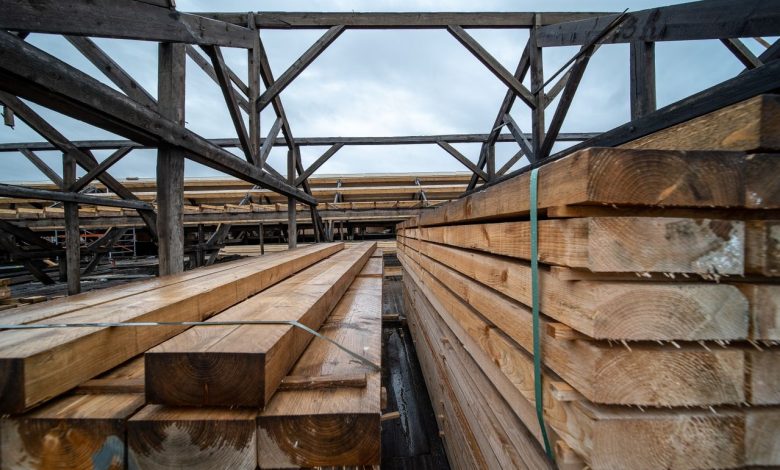
Clients who hire contractors expect the work to last, and the durability of any wood-framed or wood-finished structure is heavily influenced by the quality of the lumber used in its construction. Wood species vary considerably in their natural resistance to decay, moisture, insects, and the dimensional changes caused by seasonal humidity fluctuations, and matching the right species to the right application is one of the most important decisions in any project involving exposed or semi-exposed wood elements. For outdoor applications including decking, pergolas, siding, and structural timbers in contact with the ground or elements, species with high natural durability are not merely preferable but essential for achieving the service life the client expects. Sourcing high-quality redwood beams for sale through a reputable supplier like The Lumber Baron provides contractors with one of the most naturally durable and dimensionally stable wood species available, prized for generations for its resistance to decay, insects, and weathering in outdoor structural applications. Contractors who source high-quality lumber from trusted suppliers consistently deliver finished projects that hold up far better over time and generate fewer warranty claims and callback issues than those who cut corners on material selection.
Client Satisfaction and Referrals Depend on Quality
The clients who hire contractors are making significant financial investments in their homes and businesses, and their satisfaction with the finished product is the primary currency of a contractor’s professional reputation. High-quality wood produces finishes that are smoother, joints that are tighter, and structures that are more dimensionally consistent, all of which contribute to a finished appearance and tactile quality that clients immediately notice and appreciate. Conversely, the visual and physical evidence of inferior materials, including raised grain, warped surfaces, misaligned joints, and premature cracking or discoloration, generates the kind of client dissatisfaction that results in negative reviews, withheld referrals, and disputes that are costly and damaging to a contractor’s business. In a trade where reputation is everything and word-of-mouth referrals drive a significant portion of new business, the decision to use high-quality materials on every project is a marketing investment as much as it is a professional standard. The contractors who build the most loyal client bases are consistently those who refuse to compromise on the quality of what goes into their work.
Professional Standards and Building Codes Require It
Building codes and engineering specifications do not simply recommend appropriate material grades and species for structural applications; they require them, and contractors who deviate from specified materials expose themselves to serious legal, financial, and professional liability if problems arise. Structural lumber used in framing applications must meet specific grade requirements that ensure consistent strength and stiffness properties, and substituting lower-grade material to save money is a code violation that can result in failed inspections, mandatory remediation, and in extreme cases, litigation and license revocation. Engineered wood products used in headers, beams, and floor systems are specified by structural engineers based on their certified performance characteristics, and substituting uncertified or inferior products voids those specifications and transfers liability to the contractor. Beyond the legal dimension, professional standards in the contracting industry reflect a collective commitment to quality and safety that distinguishes licensed, reputable contractors from unqualified operators who undercut on price by compromising on materials. Upholding those standards, including in material selection, is part of what it means to be a professional in this industry.
Long-Term Cost Efficiency Favors Quality Materials
The temptation to select lower-cost lumber to improve project margins is understandable, but the long-term economics of building with inferior materials almost always work against both the contractor and the client. Callbacks, warranty repairs, and the remediation of premature material failures are expensive, time-consuming, and damaging to contractor reputation in ways that far outweigh the initial savings on material costs. Structures built with high-quality wood require less maintenance, resist deterioration more effectively, and retain their appearance and structural integrity over longer periods, which directly affects the long-term satisfaction of the property owner and the likelihood of future work from the same client. Insurance claims and litigation related to material failures also carry costs that extend well beyond the financial into the reputational and professional, potentially affecting a contractor’s bonding capacity and insurance premiums for years. The calculus is clear for contractors who take a long view of their business: investing in quality materials upfront is consistently more economical than dealing with the consequences of cutting corners after the fact.
Conclusion
The decision to use high-quality wood on every project is not a luxury or an optional upgrade for contractors who care about their work; it is a professional standard that reflects a commitment to safety, durability, client satisfaction, and the long-term health of the business. From structural integrity and regulatory compliance to client relationships and long-term cost efficiency, the case for quality materials is compelling at every level. Contractors who build their reputation on doing things right, beginning with what goes into the walls, floors, and frames of every structure they build, are the ones whose work endures and whose businesses thrive.


