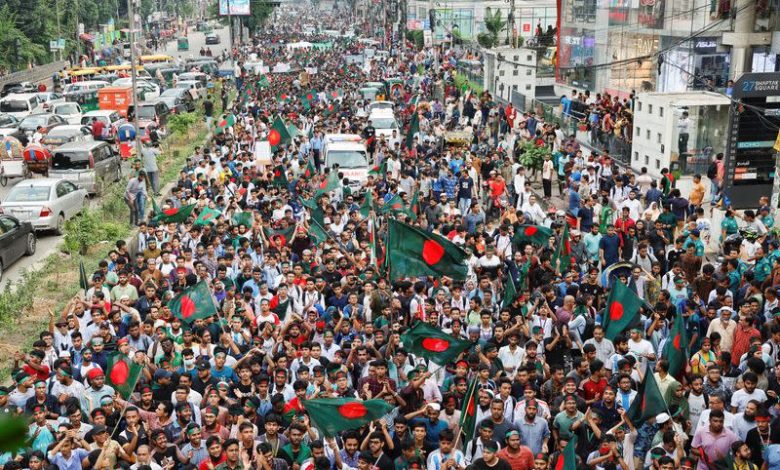
Bangladesh is one of the most densely populated countries in the world, and this rapid growth has created serious challenges for its development. The increasing number of people puts heavy pressure on limited resources, making it difficult to maintain a balanced economy and environment. A clear understanding of the population problem in bangladesh composition helps you realize how deeply this issue affects daily life, from food supply to employment opportunities. You can see its impact in overcrowded cities, rising unemployment, and environmental degradation. If this trend continues unchecked, it may slow down national progress. Therefore, addressing population growth is essential for ensuring a stable, sustainable, and prosperous future for the country.
Population Problem in Bangladesh Composition for SSC (150 Words)
The population problem is one of the most serious issues in Bangladesh today. The country has a large number of people living in a small area, which creates pressure on resources and services. This shows how this rapid growth affects different aspects of life.
One of the main causes of overpopulation is lack of education and awareness about family planning. Early marriage and poverty also contribute to the high birth rate. As a result, many people struggle to find jobs, leading to unemployment and poverty.
Overpopulation also causes food shortages, housing problems, and environmental pollution. Cities become overcrowded, and basic facilities like healthcare and education become limited.
To solve this problem, the government and people must work together. Increasing awareness, promoting education, and encouraging small families can help control population growth and improve living conditions.

Population Problem in Bangladesh Composition for HSC (200 Words)
The population problem is a major challenge for Bangladesh, affecting its economic growth and overall development. With a large population living in a limited area, the country faces intense pressure on its natural resources, infrastructure, and public services. This highlights how this issue influences every aspect of national life.
There are several causes behind rapid population growth. Lack of education, early marriage, poverty, and limited awareness about family planning contribute significantly. Many families believe that having more children ensures financial support, which further increases the population rate. As a result, unemployment rises, and per capita income remains low.
The effects of overpopulation are severe. Food shortages, housing problems, environmental pollution, and inadequate healthcare services are common. Urban areas become overcrowded, leading to the growth of slums and poor living conditions. Education systems also struggle to accommodate the increasing number of students.
To address this issue, both government and individuals must take responsibility. Promoting education, ensuring access to family planning, and raising public awareness are essential steps. Controlling population growth is necessary for achieving sustainable development and improving the quality of life in Bangladesh.
Population Problem in Bangladesh Composition for HSC (300 Words)
The rapid growth of population is one of the most pressing challenges faced by Bangladesh today. Being a small country with limited land area, it struggles to support a huge number of people. This imbalance between population and resources creates serious economic, social, and environmental problems. As the number of people increases, the demand for food, housing, education, and healthcare also rises significantly.
Several factors contribute to this situation. Illiteracy and lack of awareness play a major role, as many people are not educated about family planning methods. Early marriage is another important cause, leading to a higher birth rate. Poverty also encourages large families, as children are often seen as a source of income and support. In addition, social and cultural beliefs sometimes discourage the use of birth control measures.
The consequences of overpopulation are severe and widespread. Unemployment is increasing, and many people live below the poverty line. There is a shortage of food, clean water, and proper housing. Urban areas are becoming overcrowded, resulting in the growth of slums and poor sanitation conditions. Environmental problems such as pollution and deforestation are also rising, which further affect the quality of life.
To overcome this problem, both the government and citizens must take effective steps. Expanding education, especially for women, can significantly reduce population growth. Awareness programs about family planning should be strengthened, and access to healthcare must be improved. People should also be encouraged to adopt small family norms.
In conclusion, controlling population growth is essential for the sustainable development of Bangladesh. With proper planning and collective efforts, the country can overcome this challenge and ensure a better future for its people.
Conclusion
The population crisis remains a critical challenge that directly affects the future of Bangladesh. Rapid growth continues to strain resources, limit opportunities, and slow down national progress. A well-framed population problem in bangladesh composition helps you understand the urgency of taking action at both individual and governmental levels. You must recognize that education, awareness, and responsible family planning are key to controlling this issue. Without proper measures, the imbalance between population and resources will only worsen.
Frequently Asked Questions (FAQs)
Q1. What is the population problem in Bangladesh?
The population problem in Bangladesh refers to the rapid increase in population within a limited land area. This creates pressure on resources, leading to unemployment, poverty, and difficulties in maintaining proper living standards for people.
Q2. Why is overpopulation a serious issue in Bangladesh?
Overpopulation is serious because it causes resource shortages, unemployment, and environmental damage. With too many people and limited resources, the country struggles to provide adequate food, housing, education, and healthcare for its growing population.
Q3. What are the main causes of population growth?
The main causes include illiteracy, early marriage, poverty, and lack of awareness about family planning. Social and cultural beliefs also play a role, encouraging larger families and contributing to the continuous increase in population.
Q4. How does overpopulation affect the economy?
Overpopulation affects the economy by increasing unemployment and reducing per capita income. It creates pressure on resources and services, making it difficult for the government to provide jobs, maintain infrastructure, and ensure balanced economic growth.
Q5. What steps can control population growth?
Population growth can be controlled through education, awareness programs, and proper family planning. Encouraging small families, delaying marriage, and improving access to healthcare services are effective measures to reduce the population growth rate.
Q6. How can individuals help solve this problem?
Individuals can help by adopting small family norms, spreading awareness, and supporting education, especially for women. Responsible decisions regarding marriage and childbirth can significantly contribute to controlling population growth and improving living conditions.