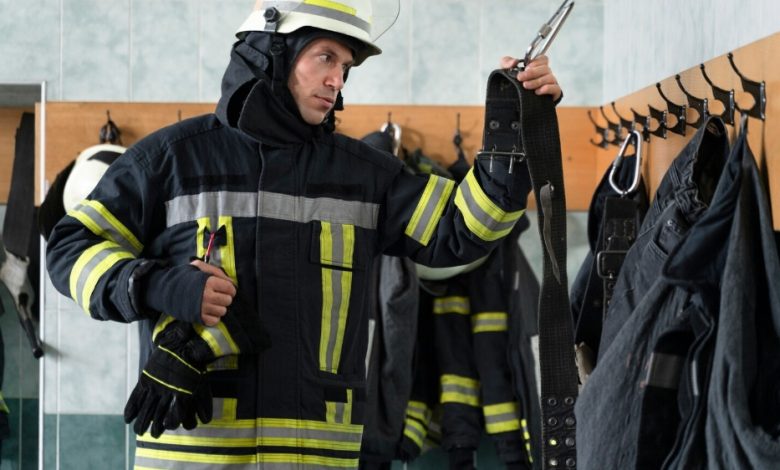
A property does not have to be on fire to face a serious fire-safety gap. A sprinkler system may be offline for repairs. Contractors may be welding inside a renovation area. Combustible materials may be exposed while walls or ceilings are opened. During these periods, normal security coverage may not address the specific fire risks created by the work.
That is why professional fire watch services are critical during the time when there is a temporary fire risk or protection gap. The aim is not to replace the alarms, sprinklers, or any other fire protection system. It is to maintain focused observation and follow the site’s established response procedures until normal protection is restored or the hazard is controlled.
1. Fire Protection Systems Can Leave a Temporary Gap
A property becomes more vulnerable when the required fire alarm, sprinkler, suppression, or other system is temporarily down.
In such cases, the appropriate action will depend on the applicable fire code, property condition, and the direction of the authority having jurisdiction (AHJ). There may be some cases when an approved fire watch or other temporary measures will be needed.
The key issue is simple: reduced automatic protection can create a need for additional human oversight.
2. Construction and Renovation Create Extra Fire Hazards
Areas undergoing construction are dynamic. Welding, cutting, grinding, temporary electrical equipment, open materials, and accumulated debris can significantly alter the fire hazard profile of the property.
Hot work deserves particular attention. OSHA’s fire-watch standard for shipyard employment identifies conditions such as sparks reaching combustible materials and unprotected combustible areas as situations where a fire watch may be required.
The same principle illustrates why active work areas need focused monitoring rather than assumptions that someone nearby will notice a problem.
3. A Dedicated Watch Has One Job
Security personnel may perform access control, surveillance, theft prevention, and general property protection. A fire watch has a unique operational focus – observing the designated areas for fire hazards and responding appropriately.
That distinction matters when a hazard requires uninterrupted attention. Under OSHA’s shipyard hot-work requirements, a person assigned to fire watch cannot be given other duties while the hot work is underway.
The exact requirements vary by property and jurisdiction, but the underlying principle is useful: fire-watch responsibilities should be clearly assigned.
4. Human Observation Can Catch Changing Conditions
Automated systems are an important part of fire protection, but they do not observe every physical change taking place in a work area.
A dedicated fire watch can monitor for conditions such as:
- Smoke, sparks, or unusual heat
- Combustible debris near work
- Unsafe storage
- Blocked access routes
- Changes around hot-work areas
- Fire hazards created during ongoing work
The goal is early recognition, not replacing the property’s engineered fire-protection systems.
5. A Fire Watch Supports a Defined Emergency Response
Finding a hazard is only one part of the assignment. Personnel also need to know what happens next.
Depending on the site’s procedures and the person’s training, that may involve communicating with workers, raising an alarm, contacting designated personnel, supporting evacuation, or dealing with a small fire when it is safe and within their training and equipment limits.
OSHA’s shipyard requirements specifically address detecting fires, alerting employees to larger fires, and activating alarms when a fire cannot be extinguished within the fire watch’s capabilities.
6. Dedicated Coverage Creates Clear Accountability
“Someone is watching the area” is not the same as having a defined fire-watch assignment.
Effective coverage should establish who is responsible, which areas are monitored, how communication works, and how incidents or hazards are documented. Clear handoffs also matter when coverage continues across multiple shifts.
This creates a record of what was monitored instead of relying on memory after an incident.
7. Trained Personnel Are Prepared for the Assignment
A fire watch requires more than simply standing near a work area. Training can cover fire behavior, hazards, extinguishing equipment, communication methods, alarm procedures, evacuation plans, and the specific conditions of the monitored area.
For shipyard employment, OSHA requires fire-watch personnel to receive training before assignment, when new hazards arise, when previous knowledge is inadequate, and annually.
For property owners and managers seeking professional fire watch services, the important question is therefore not just whether a person is available. It is whether that person has the appropriate training, equipment, assignment, and communication procedures for the situation.
When Does Your Property Need Dedicated Fire Watch Coverage?
Consider these questions before deciding how to manage a temporary fire-safety gap:
- Is a required fire-protection system impaired?
- Is hot work creating an ignition hazard?
- Are combustible materials exposed?
- Is the building occupied while protection is reduced?
- Has the AHJ required or approved a fire watch?
- Can the assigned person continuously perform the required duties?
There is no single fire-watch rule that applies to every property. Requirements depend on the circumstances, applicable codes, work activities, and local fire-safety authority.
A dedicated fire watch is ultimately about closing a specific protection gap with clearly assigned human observation. When a property’s normal fire protection is reduced, or a temporary activity introduces additional hazards, having the right person focused on those risks can provide an important layer of protection until normal conditions return.