
In Bangladesh, seasonal outbreaks of mosquito-borne diseases have become a serious public health challenge, especially in urban areas like Dhaka and Chattogram. Among these diseases, dengue fever paragraph is one of the most common topics in school examinations because it connects science, health awareness, and social responsibility. As a student, you are expected not only to define dengue but also to explain its causes, symptoms, prevention, and impact on society in a clear and structured way.
Dengue is a viral disease transmitted by the Aedes mosquito, particularly Aedes aegypti. This mosquito breeds in clean, stagnant water and bites mostly during the daytime. The infection spreads rapidly during the rainy season when water accumulates in containers, flower pots, old tires, and drains. In this article, you will learn how to write a strong and exam-focused response for different word limits, from short paragraphs to HSC-level compositions.
Causes, Symptoms, and Prevention of Dengue
Dengue is caused by the dengue virus, which enters the human body through the bite of an infected female Aedes mosquito. These mosquitoes usually breed in stagnant, clean water found in urban households. Poor drainage systems, waterlogging after rainfall, and lack of public awareness contribute significantly to the spread of the disease in Bangladesh.
The symptoms of dengue usually appear four to ten days after infection. Common signs include high fever, severe headache, pain behind the eyes, muscle and joint pain, nausea, vomiting, and skin rashes. In severe cases, it may lead to dengue hemorrhagic fever, which can cause bleeding, low blood pressure, and even death if not treated promptly. Therefore, early diagnosis and medical attention are crucial.
When writing a dengue fever paragraph, you should clearly mention preventive measures. Prevention is mainly based on controlling mosquito breeding. You must highlight the importance of keeping surroundings clean, covering water containers, using mosquito nets, applying repellents, and participating in community cleaning programs. Government initiatives such as fogging and public awareness campaigns also play a vital role.
Dengue Fever Paragraph Short
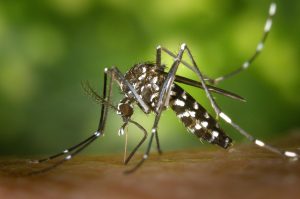
Dengue is a dangerous viral disease spread by the bite of the Aedes mosquito. It usually spreads during the rainy season in Bangladesh. The mosquito breeds in clean, stagnant water around houses. The main symptoms of dengue are high fever, headache, body pain, and skin rash. Sometimes it can become serious and cause bleeding. There is no specific cure for dengue, so prevention is very important. We should keep our surroundings clean, avoid stagnant water, and use mosquito nets to protect ourselves from mosquito bites.
Dengue Fever Paragraph For Class Long
Dengue is a viral disease that spreads through the bite of infected Aedes mosquitoes. In Bangladesh, dengue outbreaks occur mainly during the monsoon season when water accumulates in different places. The symptoms of dengue include high fever, severe headache, muscle and joint pain, nausea, and rashes. In severe cases, it may lead to internal bleeding and shock.
To prevent dengue, people must destroy mosquito breeding grounds. Water should not be allowed to remain stagnant in flower pots, buckets, old tires, or open containers. The government conducts awareness campaigns and sprays insecticides to control mosquitoes. However, individual awareness is equally important. Everyone should maintain cleanliness at home and in the community. Early medical treatment can reduce the risk of complications. Therefore, public awareness and proper sanitation are essential to control dengue in Bangladesh.
Dengue Fever Paragraph For SSC

Dengue is a serious viral disease that has become a major health problem in Bangladesh. It is transmitted by the bite of an infected female Aedes mosquito, which breeds in clean and stagnant water. During the rainy season, waterlogging and poor drainage systems increase mosquito breeding, leading to outbreaks in cities and towns.
The symptoms of dengue include high fever, severe headache, pain behind the eyes, muscle and joint pain, vomiting, and skin rashes. If not treated in time, it may develop into severe dengue, causing bleeding and a sudden drop in blood pressure. Although there is no specific medicine to cure dengue completely, early diagnosis and proper medical care can save lives.
Prevention is the best way to fight dengue. People should keep their surroundings clean and remove stagnant water regularly. Using mosquito nets, coils, and repellents can reduce the risk of mosquito bites. Government authorities should also ensure regular fogging and public awareness campaigns. As responsible citizens, we must work together to prevent dengue and protect public health.
Dengue Fever Paragraph For HSC
Dengue is a mosquito-borne viral disease that has emerged as a significant public health concern in Bangladesh over the past decade. The disease is transmitted by the female Aedes mosquito, particularly Aedes aegypti, which breeds in clean, stagnant water found in urban environments. Rapid urbanization, unplanned construction, poor waste management, and climate change have contributed to the frequent outbreaks of dengue in the country.
The clinical symptoms of dengue range from mild to severe. Common symptoms include sudden high fever, intense headache, pain behind the eyes, muscle and joint pain, nausea, vomiting, and skin rash. In severe cases, dengue can progress to dengue hemorrhagic fever or dengue shock syndrome, which may result in internal bleeding, organ failure, and even death. Therefore, early diagnosis and proper medical supervision are essential.
Writing a dengue fever paragraph at the HSC level requires analytical depth. You should not only describe causes and symptoms but also evaluate preventive strategies. Prevention depends largely on eliminating mosquito breeding sites. Regular cleaning of water containers, proper disposal of waste, improved drainage systems, and community awareness programs are crucial. The government and city corporations must coordinate efforts to conduct fogging operations and educate citizens.
Ultimately, combating dengue requires collective responsibility. Individual awareness, community participation, and effective government policies can significantly reduce the spread of the disease. Students should emphasize civic duty and public cooperation in their examination answers.
Conclusion
Dengue remains a persistent challenge in Bangladesh, especially during the monsoon season. From school-level essays to national awareness campaigns, the topic of dengue fever paragraph continues to hold importance because it directly relates to public health and safety. As a student, your responsibility is not only to write accurate answers in exams but also to practice preventive measures in daily life.
Effective control of dengue requires a combination of individual effort, community engagement, and government intervention. Clean surroundings, proper waste management, and awareness campaigns are essential components of prevention. Early detection and timely treatment can prevent severe complications and save lives.
When you write about dengue in your examinations, maintain clarity, structure, and factual accuracy. A well-organized response demonstrates both knowledge and awareness. Ultimately, understanding dengue is not just about scoring marks; it is about contributing to a healthier and safer Bangladesh.
FAQs
Q1: What causes dengue fever?
A: Dengue fever is caused by the dengue virus, transmitted through the bite of an infected Aedes mosquito.
Q2: When does dengue spread most in Bangladesh?
A: Dengue spreads mainly during the rainy season due to water accumulation and mosquito breeding.
Q3: What are the main symptoms of dengue?
A: High fever, headache, muscle and joint pain, nausea, vomiting, and skin rash are common symptoms.
Q4: Is there any specific cure for dengue?
A: There is no specific antiviral cure; treatment mainly involves supportive care and fluid management.
Q5: How can dengue be prevented?
A: Dengue can be prevented by removing stagnant water, maintaining cleanliness, and using mosquito protection methods.